Contact Number

/
Wires Harness Supplier
Product Categories

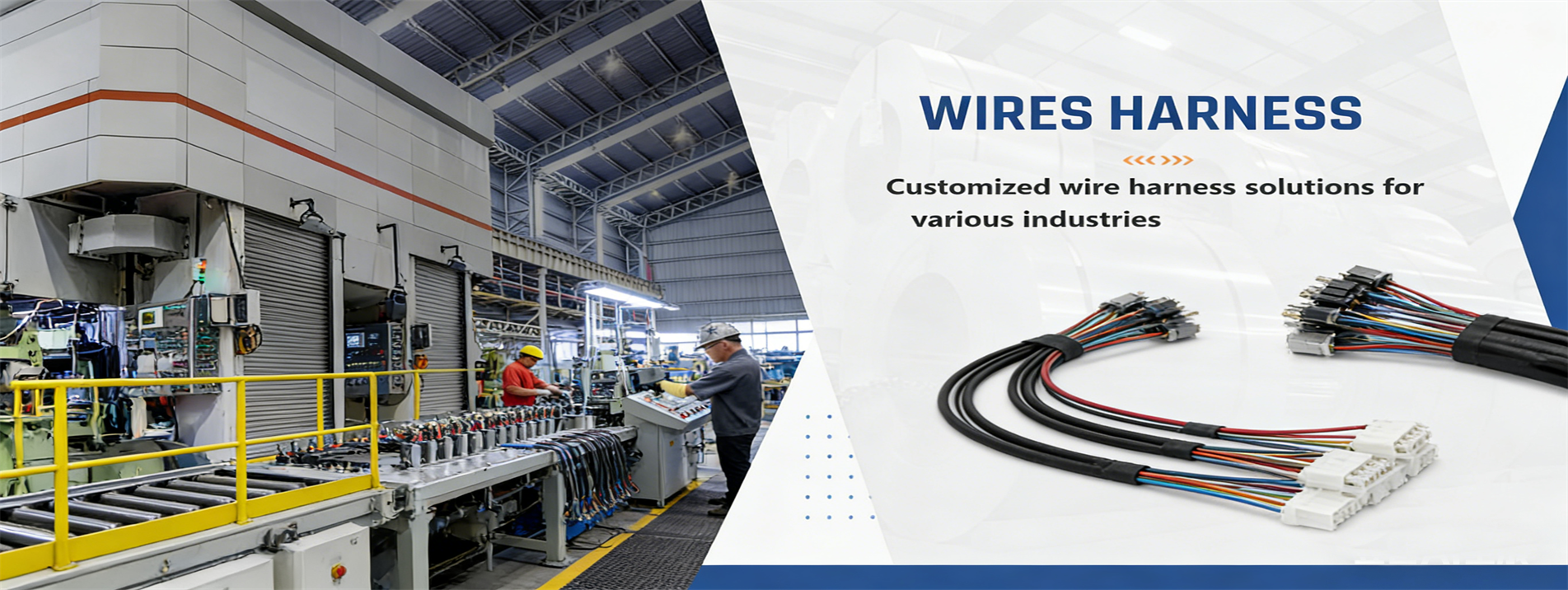
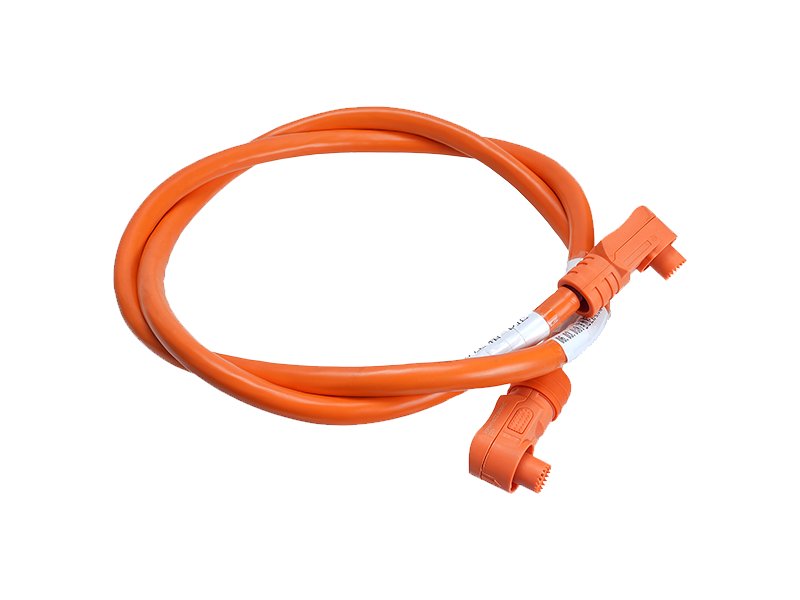
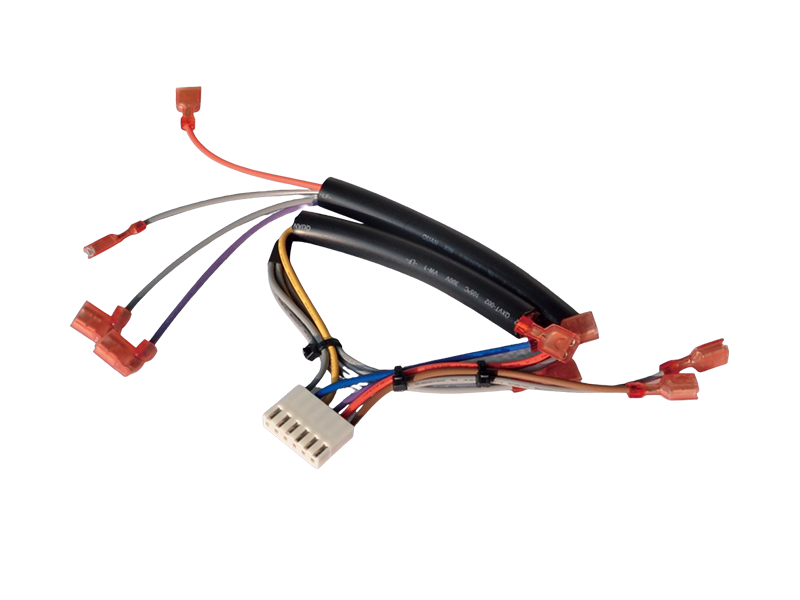
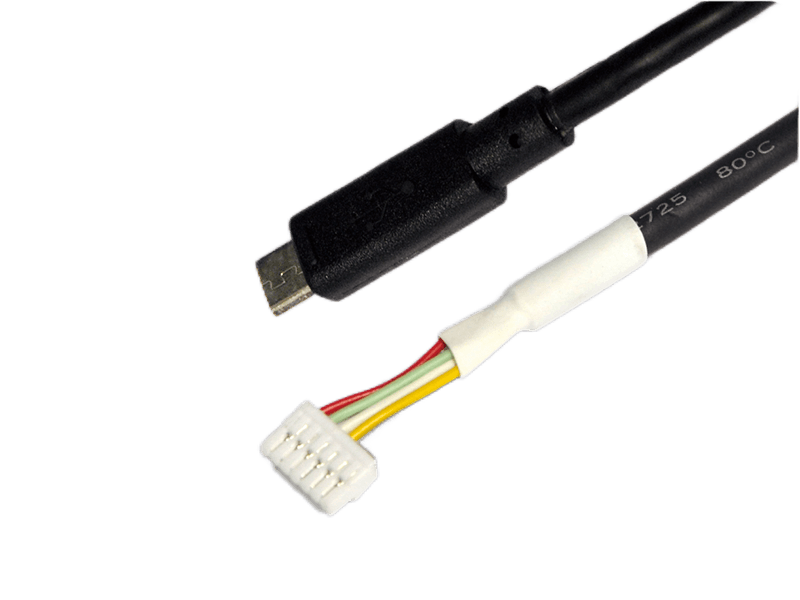
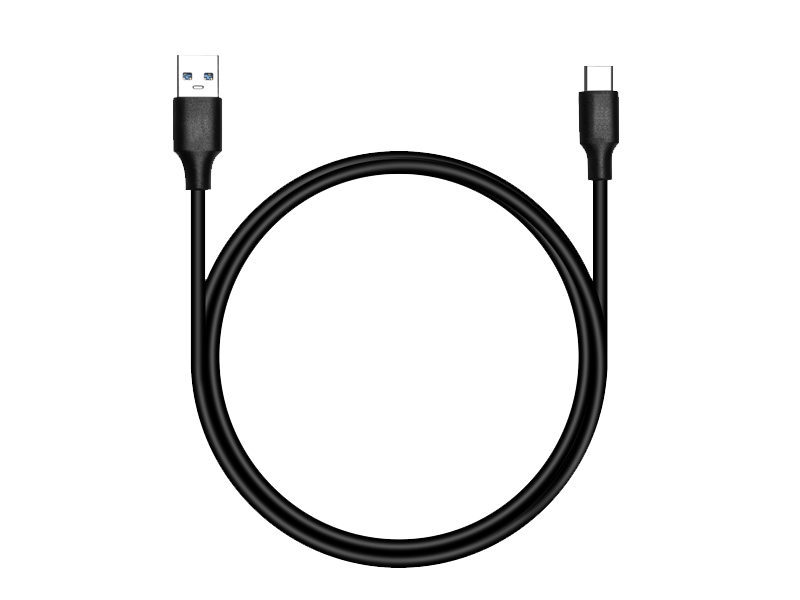
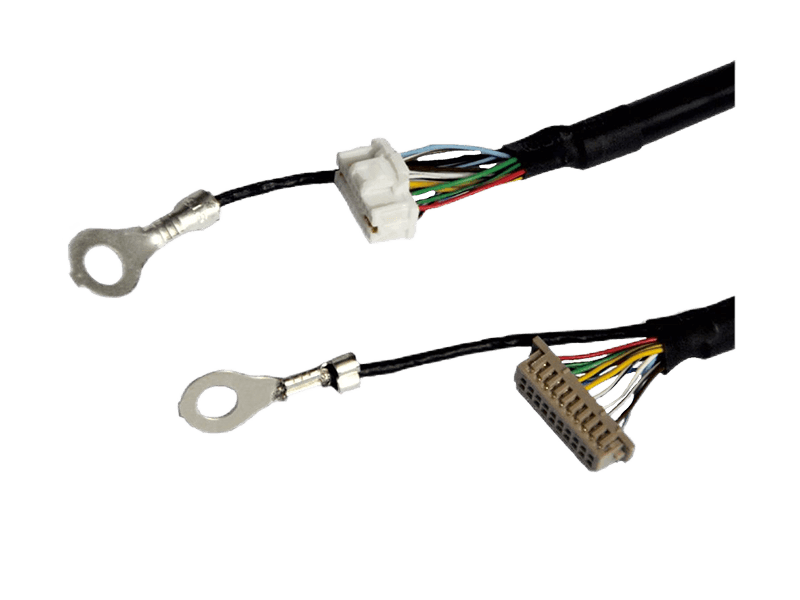
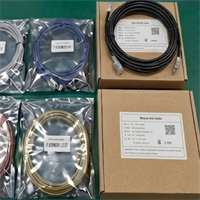
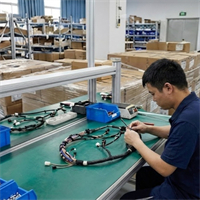
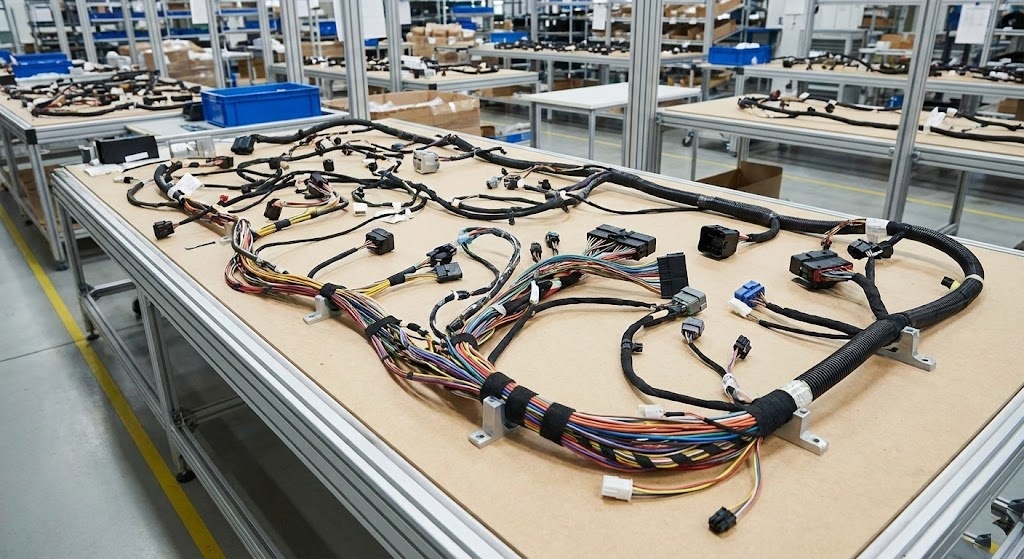
We sell high-quality UL-certified electronic wires, terminal wires, automotive wiring harnesses, medical wiring harnesses, and other electronic connection products. We provide professional custom services and guaranteed on-time delivery.

eweulwire.com

Electronic Wires Manufacturer

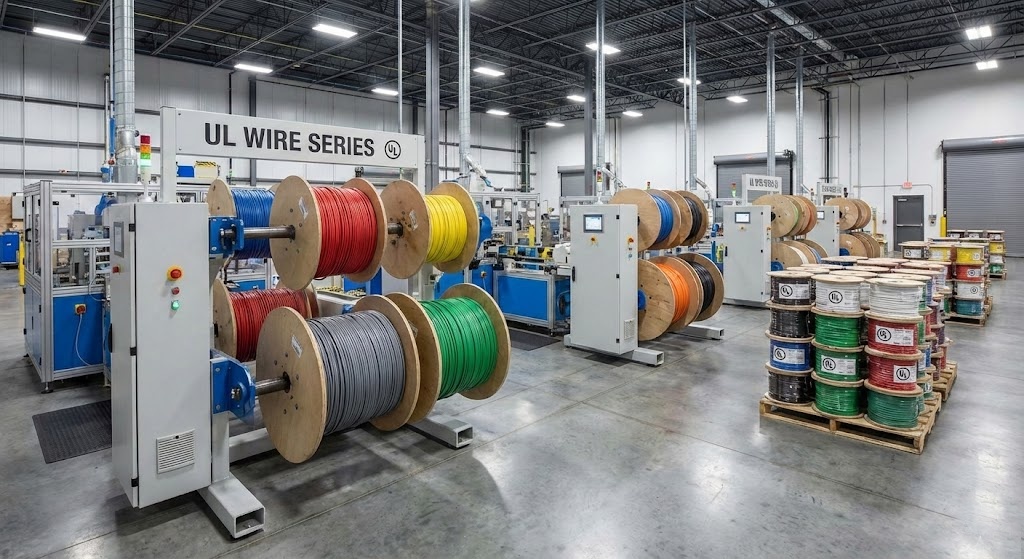
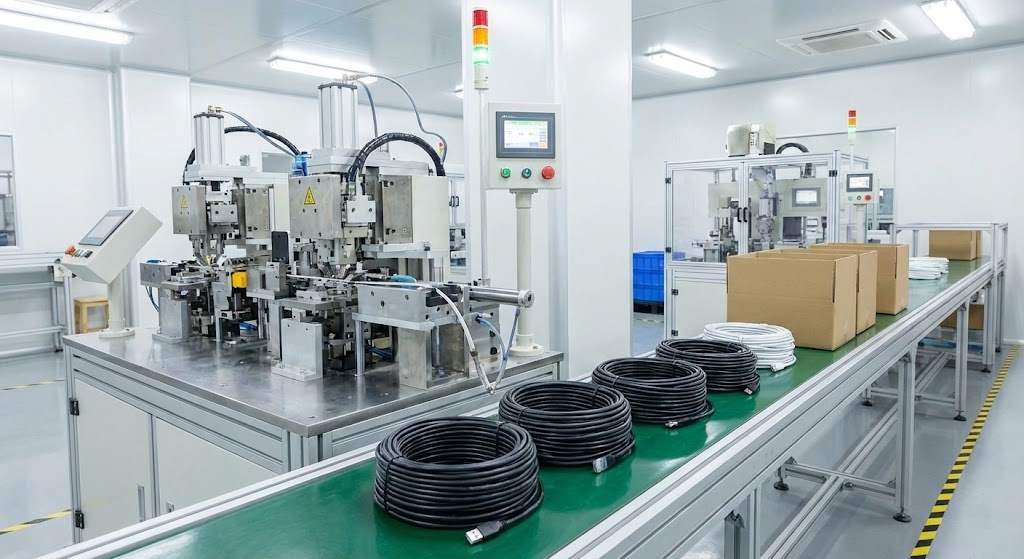
Who is Eweulwire   Eweulwire is a professional manufacturer and strategic supplier of high-reliability electronic wires and custom cable assemblies. Established in 1997 in Shenzhen, China, we bring over 28 years of specialized expertise to the global market. Core Product Focus We specialize in developing and manufacturing solutions for demanding applications, including four key product series: Wire Harnesses: Custom-built cable sets for critical uses like Automotive (IATF 16949 certified), Medical devices, and Industrial machinery. UL Wire Series: Dependable single-conductor and insulated wires, all carrying the essential UL safety mark for compliance in consumer electronics and internal power. Data Cable Series: Cables for high-speed signal and data transfer, including popular USB cables and complex aviation or board-level assemblies. Power Cables: Strong, heavy-duty cables for high-current demands, such as EV Energy Storage and specialized drone battery connectors.   Commitment to Quality and Certification Industry-leading certifications verify our dedication to uncompromising quality: UL Certification (Since 2012): Ensuring product safety and compliance for all our electronic wires and components. IATF 16949 Automotive Certification (Since 2021): Validating our world-class quality management in the production of automotive wiring harnesses. ISO 9001:2015 Certified: Guaranteeing consistent excellence across all manufacturing processes. We leverage our robust manufacturing capabilities, automated equipment, and strategic partnerships with industry leaders like JST, MOLEX, and TE Connectivity to ensure stability and reliability for your critical projects. Partner with Eweulwire for guaranteed quality, proven compliance, and expert custom connectivity solutions.   Conventional QC Plan  
View More
  • Quality Assurance
    Quality Assurance

    Strictly control the production process, our business philosophy is quality first

  • Service
    Service

    wires harness and data cables models are complete, products can be provided according to your requirements

COMPANY ADVANTAGE
Industries Served

We have a wide range of services for the Communications Equipment, Medical Industry, Automobile,  and Network Integrated Equipment. Here you will find the electronic wire products that suit your needs.

Home Appliances Home Appliances

Application of Terminal Wires in Home Appliances   I. Case Background In modern households, various home appliances have become an indispensable part of daily life. From smart TVs, high-efficiency washing machines to intelligent refrigerators, the stable operation of these appliances relies on reliable internal connection components. Terminal wires, with their flexibility and reliable connection performance, play a crucial role in the transmission of signals and power within home appliances.   II. Application Details of Terminal Wires   (I) Signal Transmission   1. In Smart TVs Flat cables are commonly used as terminal wires between the main board and the display panel. Generally, these flat cables are FPC (Flexible Printed Circuit) cables. They are highly flexible and bendable, making them convenient for wiring in narrow spaces. The internal wires are made of high-purity copper, which has excellent electrical conductivity and can efficiently transmit high-definition video signals. The cables also have a special shielding layer to resist signal interference, ensuring that the display panel receives accurate image signals. With a high-speed transmission rate, they can support 4K or even 8K video playback, presenting clear and vivid pictures to users. Meanwhile, HDMI cables are also crucial in the signal transmission of smart TVs. They are mainly responsible for connecting external devices such as game consoles and Blu-ray players to the main board of the TV. HDMI cables can transmit high-definition video and audio signals in digital form, supporting high-resolution and multi-channel audio. The terminal wires inside the TV further accurately transmit the signals processed by the main board to the display panel. The two work together to meet the diverse audio-visual signal transmission needs of smart TVs. When connecting the main board of a smart TV to the built - in Wi - Fi module, coaxial cables are used as high - frequency - resistant terminal wires. The central conductor of a coaxial cable is surrounded by an insulating layer, a shielding layer, and an outer sheath, which can effectively shield external electromagnetic interference and stably transmit high-frequency wireless communication signals, enabling the TV to connect to the Internet smoothly and access various online video resources and application software.   2. In Washing Machines Multi - core shielded wires are often used as terminal wires to transmit control signals between the control panel and the motor. The multi-core shielded wires have multiple insulated wires inside, which can transmit multiple control signals simultaneously. Their shielding layers can effectively prevent the signals from being interfered with by the outside world and ensure the accurate transmission of control signals. The multi-core shielded wires can accurately transmit the speed control signals from the control panel to the motor. The wire cores are designed with low resistance, which can quickly and accurately transmit electrical signals, enabling the motor to adjust the rotation speed according to different washing programs. At the same time, terminal wires are also used to connect sensors to the main board, transmitting the signals detected by the water-level sensors and clothes-weight sensors to the main board. The main board adjusts parameters such as washing time and water consumption accordingly to achieve intelligent washing.   3. In Refrigerators The temperature sensors and the control circuit are connected by enameled wires. Enameled wires are made by coating an insulating paint on bare copper wires, which have good insulation performance and flexibility and can adapt to the complex wiring environment inside the refrigerator. The temperature sensors monitor the internal temperature of the refrigerator in real-time and transmit the collected temperature signals to the control circuit through enameled wires. The control circuit sends control commands to devices such as compressors through enameled wires according to the preset temperature range, achieving precise control of the refrigerator's refrigeration system and ensuring that the temperature inside the refrigerator is always maintained within an appropriate range to ensure the freshness and quality of food. In addition to temperature signal transmission, the door-opening and closing detection sensors of the refrigerator are also connected to the control circuit by fine-gauge stranded flexible wires. The stranded flexible wires are made by twisting multiple fine copper wires together, which are soft and easy to bend, facilitating wiring at the movable connection between the refrigerator door and the cabinet. When the refrigerator door is opened or closed, the sensors generate corresponding electrical signals, which are transmitted to the control circuit through the stranded flexible wires. The control circuit can make responses such as turning on or off the interior lighting of the refrigerator and adjusting the refrigeration strategy based on these signals to improve the energy efficiency and usability of the refrigerator.  

Home Appliances Home Appliances

Application of Terminal Wires in Home Appliances   I. Case Background In modern households, various home appliances have become an indispensable part of daily life. From smart TVs, high-efficiency washing machines to intelligent refrigerators, the stable operation of these appliances relies on reliable internal connection components. Terminal wires, with their flexibility and reliable connection performance, play a crucial role in the transmission of signals and power within home appliances.   II. Application Details of Terminal Wires   (I) Signal Transmission   1. In Smart TVs Flat cables are commonly used as terminal wires between the main board and the display panel. Generally, these flat cables are FPC (Flexible Printed Circuit) cables. They are highly flexible and bendable, making them convenient for wiring in narrow spaces. The internal wires are made of high-purity copper, which has excellent electrical conductivity and can efficiently transmit high-definition video signals. The cables also have a special shielding layer to resist signal interference, ensuring that the display panel receives accurate image signals. With a high-speed transmission rate, they can support 4K or even 8K video playback, presenting clear and vivid pictures to users. Meanwhile, HDMI cables are also crucial in the signal transmission of smart TVs. They are mainly responsible for connecting external devices such as game consoles and Blu-ray players to the main board of the TV. HDMI cables can transmit high-definition video and audio signals in digital form, supporting high-resolution and multi-channel audio. The terminal wires inside the TV further accurately transmit the signals processed by the main board to the display panel. The two work together to meet the diverse audio-visual signal transmission needs of smart TVs. When connecting the main board of a smart TV to the built - in Wi - Fi module, coaxial cables are used as high - frequency - resistant terminal wires. The central conductor of a coaxial cable is surrounded by an insulating layer, a shielding layer, and an outer sheath, which can effectively shield external electromagnetic interference and stably transmit high-frequency wireless communication signals, enabling the TV to connect to the Internet smoothly and access various online video resources and application software.   2. In Washing Machines Multi - core shielded wires are often used as terminal wires to transmit control signals between the control panel and the motor. The multi-core shielded wires have multiple insulated wires inside, which can transmit multiple control signals simultaneously. Their shielding layers can effectively prevent the signals from being interfered with by the outside world and ensure the accurate transmission of control signals. The multi-core shielded wires can accurately transmit the speed control signals from the control panel to the motor. The wire cores are designed with low resistance, which can quickly and accurately transmit electrical signals, enabling the motor to adjust the rotation speed according to different washing programs. At the same time, terminal wires are also used to connect sensors to the main board, transmitting the signals detected by the water-level sensors and clothes-weight sensors to the main board. The main board adjusts parameters such as washing time and water consumption accordingly to achieve intelligent washing.   3. In Refrigerators The temperature sensors and the control circuit are connected by enameled wires. Enameled wires are made by coating an insulating paint on bare copper wires, which have good insulation performance and flexibility and can adapt to the complex wiring environment inside the refrigerator. The temperature sensors monitor the internal temperature of the refrigerator in real-time and transmit the collected temperature signals to the control circuit through enameled wires. The control circuit sends control commands to devices such as compressors through enameled wires according to the preset temperature range, achieving precise control of the refrigerator's refrigeration system and ensuring that the temperature inside the refrigerator is always maintained within an appropriate range to ensure the freshness and quality of food. In addition to temperature signal transmission, the door-opening and closing detection sensors of the refrigerator are also connected to the control circuit by fine-gauge stranded flexible wires. The stranded flexible wires are made by twisting multiple fine copper wires together, which are soft and easy to bend, facilitating wiring at the movable connection between the refrigerator door and the cabinet. When the refrigerator door is opened or closed, the sensors generate corresponding electrical signals, which are transmitted to the control circuit through the stranded flexible wires. The control circuit can make responses such as turning on or off the interior lighting of the refrigerator and adjusting the refrigeration strategy based on these signals to improve the energy efficiency and usability of the refrigerator.  

Medical Industry Medical Industry

Application of Terminal Wires in the Medical Industry   I. Industry Background In the medical field, the precise operation of various medical devices is of utmost importance for disease diagnosis, treatment, and patient monitoring. From complex imaging equipment to life-support systems, these devices require highly reliable connection components. Terminal wires, with their stable performance and high-precision connection capabilities, play an irreplaceable role in ensuring the normal operation of medical devices, as they are responsible for the transmission of signals and power within these devices.   II. Application Details in Different Medical Devices   (I) In Medical Imaging Equipment   1. In Magnetic Resonance Imaging (MRI) Machines In MRI machines, multi - core high - frequency terminal wires are used for signal transmission. Take the common MR - 100 series of multi - core high - frequency terminal wires as an example. They are specifically designed to handle the high-frequency signals generated during the imaging process. The wires connecting the radio-frequency (RF) coils to the main control unit need to have extremely low signal attenuation. This series of terminal wires is made of high-quality conductors, usually silver-plated copper, which can efficiently transmit weak RF signals. Their outer layers are equipped with multiple layers of shielding materials to prevent interference from external electromagnetic fields. This ensures that the high-resolution image data captured by the RF coils can be accurately transmitted to the control unit for processing, enabling doctors to obtain clear and detailed images for accurate diagnosis.   2. In Computed Tomography (CT) Scanners CT scanners use a combination of power-carrying terminal wires and signal-transmitting terminal wires. The power - carrying terminal wires, usually of the 1677173 - 1 model, are made of thick - gauge copper and are responsible for providing stable power supply to various components of the device to meet its high - energy - consumption requirements. The signal-transmitting terminal wires, which can be of the 1 - 1702441 - 1 model, are tasked with transmitting scan data and control commands, ensuring precise control of the scanning process and accurate acquisition and transmission of image data.   (II) In Oxygen-generating Equipment   1. Power Transmission and Control Oxygen-generating equipment mainly consists of key components such as air compressors, molecular sieve adsorption towers, and oxygen storage tanks. In the power connection of these components, the LW-01 series of multi-core power wires is often used as terminal wires. For example, the multi-core power wires connecting the air compressor motor to the power control board have wire cores made of high-purity copper, which have good electrical conductivity and can carry a large current, providing sufficient power for the stable operation of the compressor. At the same time, these terminal wires are also responsible for transmitting control signals. The power control board sends start, stop, and speed-regulation commands to the compressor through the terminal wires to ensure that the compressor operates according to the set oxygen-generation process.   2. Signal Monitoring and Feedback Oxygen-generating equipment is equipped with various sensors, such as oxygen concentration sensors and pressure sensors. These sensors are connected to the control system of the equipment through AVSS shielded signal cables. Take the oxygen concentration sensor as an example. It transmits the real-time monitored oxygen concentration signal to the control system through the AVSS shielded signal cable. As a type of terminal wire, the AVSS shielded signal cable has a shielding layer that can effectively resist external electromagnetic interference, ensuring the accurate transmission of sensor signals. The control system adjusts the operating parameters of the oxygen-generating equipment, such as adjusting the working cycle of the molecular sieve adsorption tower, to maintain a stable and standard-compliant oxygen output concentration to meet the oxygen-inhalation needs of patients.    

Medical Industry Medical Industry

Application of Terminal Wires in the Medical Industry   I. Industry Background In the medical field, the precise operation of various medical devices is of utmost importance for disease diagnosis, treatment, and patient monitoring. From complex imaging equipment to life-support systems, these devices require highly reliable connection components. Terminal wires, with their stable performance and high-precision connection capabilities, play an irreplaceable role in ensuring the normal operation of medical devices, as they are responsible for the transmission of signals and power within these devices.   II. Application Details in Different Medical Devices   (I) In Medical Imaging Equipment   1. In Magnetic Resonance Imaging (MRI) Machines In MRI machines, multi - core high - frequency terminal wires are used for signal transmission. Take the common MR - 100 series of multi - core high - frequency terminal wires as an example. They are specifically designed to handle the high-frequency signals generated during the imaging process. The wires connecting the radio-frequency (RF) coils to the main control unit need to have extremely low signal attenuation. This series of terminal wires is made of high-quality conductors, usually silver-plated copper, which can efficiently transmit weak RF signals. Their outer layers are equipped with multiple layers of shielding materials to prevent interference from external electromagnetic fields. This ensures that the high-resolution image data captured by the RF coils can be accurately transmitted to the control unit for processing, enabling doctors to obtain clear and detailed images for accurate diagnosis.   2. In Computed Tomography (CT) Scanners CT scanners use a combination of power-carrying terminal wires and signal-transmitting terminal wires. The power - carrying terminal wires, usually of the 1677173 - 1 model, are made of thick - gauge copper and are responsible for providing stable power supply to various components of the device to meet its high - energy - consumption requirements. The signal-transmitting terminal wires, which can be of the 1 - 1702441 - 1 model, are tasked with transmitting scan data and control commands, ensuring precise control of the scanning process and accurate acquisition and transmission of image data.   (II) In Oxygen-generating Equipment   1. Power Transmission and Control Oxygen-generating equipment mainly consists of key components such as air compressors, molecular sieve adsorption towers, and oxygen storage tanks. In the power connection of these components, the LW-01 series of multi-core power wires is often used as terminal wires. For example, the multi-core power wires connecting the air compressor motor to the power control board have wire cores made of high-purity copper, which have good electrical conductivity and can carry a large current, providing sufficient power for the stable operation of the compressor. At the same time, these terminal wires are also responsible for transmitting control signals. The power control board sends start, stop, and speed-regulation commands to the compressor through the terminal wires to ensure that the compressor operates according to the set oxygen-generation process.   2. Signal Monitoring and Feedback Oxygen-generating equipment is equipped with various sensors, such as oxygen concentration sensors and pressure sensors. These sensors are connected to the control system of the equipment through AVSS shielded signal cables. Take the oxygen concentration sensor as an example. It transmits the real-time monitored oxygen concentration signal to the control system through the AVSS shielded signal cable. As a type of terminal wire, the AVSS shielded signal cable has a shielding layer that can effectively resist external electromagnetic interference, ensuring the accurate transmission of sensor signals. The control system adjusts the operating parameters of the oxygen-generating equipment, such as adjusting the working cycle of the molecular sieve adsorption tower, to maintain a stable and standard-compliant oxygen output concentration to meet the oxygen-inhalation needs of patients.    

Automobile Automobile

Applications of Terminal Wires in the Automotive Field   Engine Control System Terminal wires are used to connect the Engine Control Unit (ECU) with various sensors and actuators. For example, the terminal wire connecting the crankshaft position sensor to the ECU is made of heat-resistant and corrosion-resistant materials. It can operate stably in the high-temperature and high-vibration environment of the engine compartment, accurately transmitting the engine speed and crankshaft position signals to the ECU. The ECU then precisely controls the fuel injection time and ignition timing based on these signals to ensure the efficient operation of the engine and good fuel economy. The terminal wire connecting the air-flow sensor to the ECU is responsible for transmitting the air-flow signal to the ECU. The ECU calculates the fuel injection quantity based on this signal and other sensor signals to achieve optimal air-fuel ratio control. The knock sensor is connected to the ECU via a terminal wire. When engine knock occurs, the knock sensor generates a signal, which is transmitted to the ECU through the terminal wire. The ECU then promptly adjusts parameters such as the ignition advance angle to prevent engine damage.   In-Vehicle Entertainment System The flat cable connecting the in-vehicle display screen to the host is compact in size, facilitating wiring in the limited space inside the vehicle. It has excellent signal transmission performance and can stably transmit high-definition video signals, providing drivers and passengers with a clear visual experience. The audio cable connecting the audio system is made of high-fidelity materials, which can effectively reduce audio signal distortion and restore high-quality music effects, bringing a superior auditory experience to vehicle occupants. The navigation module is connected to the display screen and the host through terminal wires, enabling the transmission and display of navigation data, providing drivers with accurate navigation information.   Safety System In the Anti-Lock Braking System (ABS), the terminal wire connecting the wheel-speed sensor to the ABS control module can quickly transmit the wheel-speed signals monitored in real-time by the wheel-speed sensor to the ABS control module. The module determines whether the wheels are about to lock based on these signals and promptly adjusts the braking pressure to prevent the vehicle from losing control during braking and ensure driving safety. In the airbag system, the terminal wire connecting the collision sensor to the airbag control unit is required to have extremely high reliability. Once a vehicle collision occurs, the collision sensor rapidly transmits a signal to the airbag control unit through this terminal wire, and the control unit triggers the airbag to deploy, protecting the lives of the driver and passengers. In the Electronic Stability Control (ESC) system, terminal wires connect various sensors (such as the lateral acceleration sensor, steering-wheel angle sensor, etc.) to the ESC control module, ensuring that the signals from each sensor are accurately transmitted to the control module. This allows the control module to monitor the vehicle's driving status in real-time. When the vehicle shows a tendency to lose control, the control module can promptly take measures such as braking or adjusting the power output to stabilize the vehicle's driving.   Body Electronics System Terminal wires connect the door control module to components such as the window motor and door-lock motor, enabling the control of functions such as window lifting and door locking. Terminal wires are used to connect the vehicle's lighting system, such as the headlights, turn signals, brake lights, etc., to the body control module, controlling the lighting, extinguishing, and flashing of the lights to achieve vehicle illumination and signal indication functions. In the windshield wiper system, terminal wires connect the wiper motor to the wiper control module. According to the signals from the rain - sensor or the driver's operation, the control signals are transmitted to the wiper motor, enabling the wiper to operate at different speeds and frequencies for windshield cleaning.   Special Applications in New Energy Vehicles In the battery management system, terminal wires are used to connect the battery pack to the Battery Management Unit (BMU). They need to have extremely high electrical conductivity and corrosion resistance to achieve efficient energy transfer between battery packs and long - term stable operation. At the same time, they transmit information such as the battery's voltage, current, and temperature to the BMU, enabling the BMU to monitor and manage the battery. The terminal wire connecting the drive motor to the motor controller must be able to withstand high current and high voltage, ensuring the reliability of power transmission and control signal transmission between the drive motor and the motor controller, and achieving precise control of the drive motor to drive the vehicle.    

Automobile Automobile

Applications of Terminal Wires in the Automotive Field   Engine Control System Terminal wires are used to connect the Engine Control Unit (ECU) with various sensors and actuators. For example, the terminal wire connecting the crankshaft position sensor to the ECU is made of heat-resistant and corrosion-resistant materials. It can operate stably in the high-temperature and high-vibration environment of the engine compartment, accurately transmitting the engine speed and crankshaft position signals to the ECU. The ECU then precisely controls the fuel injection time and ignition timing based on these signals to ensure the efficient operation of the engine and good fuel economy. The terminal wire connecting the air-flow sensor to the ECU is responsible for transmitting the air-flow signal to the ECU. The ECU calculates the fuel injection quantity based on this signal and other sensor signals to achieve optimal air-fuel ratio control. The knock sensor is connected to the ECU via a terminal wire. When engine knock occurs, the knock sensor generates a signal, which is transmitted to the ECU through the terminal wire. The ECU then promptly adjusts parameters such as the ignition advance angle to prevent engine damage.   In-Vehicle Entertainment System The flat cable connecting the in-vehicle display screen to the host is compact in size, facilitating wiring in the limited space inside the vehicle. It has excellent signal transmission performance and can stably transmit high-definition video signals, providing drivers and passengers with a clear visual experience. The audio cable connecting the audio system is made of high-fidelity materials, which can effectively reduce audio signal distortion and restore high-quality music effects, bringing a superior auditory experience to vehicle occupants. The navigation module is connected to the display screen and the host through terminal wires, enabling the transmission and display of navigation data, providing drivers with accurate navigation information.   Safety System In the Anti-Lock Braking System (ABS), the terminal wire connecting the wheel-speed sensor to the ABS control module can quickly transmit the wheel-speed signals monitored in real-time by the wheel-speed sensor to the ABS control module. The module determines whether the wheels are about to lock based on these signals and promptly adjusts the braking pressure to prevent the vehicle from losing control during braking and ensure driving safety. In the airbag system, the terminal wire connecting the collision sensor to the airbag control unit is required to have extremely high reliability. Once a vehicle collision occurs, the collision sensor rapidly transmits a signal to the airbag control unit through this terminal wire, and the control unit triggers the airbag to deploy, protecting the lives of the driver and passengers. In the Electronic Stability Control (ESC) system, terminal wires connect various sensors (such as the lateral acceleration sensor, steering-wheel angle sensor, etc.) to the ESC control module, ensuring that the signals from each sensor are accurately transmitted to the control module. This allows the control module to monitor the vehicle's driving status in real-time. When the vehicle shows a tendency to lose control, the control module can promptly take measures such as braking or adjusting the power output to stabilize the vehicle's driving.   Body Electronics System Terminal wires connect the door control module to components such as the window motor and door-lock motor, enabling the control of functions such as window lifting and door locking. Terminal wires are used to connect the vehicle's lighting system, such as the headlights, turn signals, brake lights, etc., to the body control module, controlling the lighting, extinguishing, and flashing of the lights to achieve vehicle illumination and signal indication functions. In the windshield wiper system, terminal wires connect the wiper motor to the wiper control module. According to the signals from the rain - sensor or the driver's operation, the control signals are transmitted to the wiper motor, enabling the wiper to operate at different speeds and frequencies for windshield cleaning.   Special Applications in New Energy Vehicles In the battery management system, terminal wires are used to connect the battery pack to the Battery Management Unit (BMU). They need to have extremely high electrical conductivity and corrosion resistance to achieve efficient energy transfer between battery packs and long - term stable operation. At the same time, they transmit information such as the battery's voltage, current, and temperature to the BMU, enabling the BMU to monitor and manage the battery. The terminal wire connecting the drive motor to the motor controller must be able to withstand high current and high voltage, ensuring the reliability of power transmission and control signal transmission between the drive motor and the motor controller, and achieving precise control of the drive motor to drive the vehicle.    

Communication Equipment Communication Equipment

Application Case of Terminal Wires in Communication Equipment   I. Case Background In modern communication networks, switches in data centers are crucial for data exchange and transmission. Their stable operation relies on reliable internal connection components. As commonly used connection components, terminal wires play an important role. This case focuses on the application of terminal wires in high-performance switches of a well-known data center.   II. Communication Equipment Situation The switch features a high-density port design and has the ability to exchange data at a high speed with a network bandwidth of 10 Gbps or higher. Its internal structure is compact, and the modules are arranged closely, requiring a flexible and reliable connection method to achieve communication and power supply between modules.   III. Application Details of Terminal Wires   (I) Signal Transmission The Molex 51880 series of flat flexible terminal wires are used between the switch motherboard and the port modules. This series of products is specifically designed for high-speed signal transmission. The wire cores are treated with a unique silver-plating process, which greatly reduces resistance and capacitance and effectively reduces signal delay and attenuation. At the same time, it has a multi-layer shielding structure that can resist the complex electromagnetic interference inside the switch and ensure the accurate transmission of high-speed data signals, fully meeting the requirements of scenarios with high real-time requirements, such as video conferences. The wire core specification of this series of terminal wires is 28AWG, supporting a data transmission rate of up to 10 Gbps. The signal attenuation can be controlled at a very low level within a transmission distance of 1 meter.   (II) Power Supply The multi - core high - current terminal wires of the 1677173 - 1 model from TE Connectivity are used to connect the power module to the key modules. The wire cores are made of high-purity copper, with excellent electrical conductivity and the ability to carry high currents. The connection terminals adopt a plug - and - play design, which is convenient for installation and maintenance, ensures good electrical connection, and avoids power supply anomalies. The rated current of this model of terminal wire can reach 30A and is suitable for a 48V DC power supply system, which can meet the power requirements of each key module of the switch. Its unique terminal structure design can effectively reduce the contact resistance, reduce heat generation, and improve the power transmission efficiency.   IV. Application Effects   (I) Performance Improvement After using the above-mentioned customized terminal wires, the packet loss rate of the switch is reduced by 30%, the network delay is shortened by 20%, and the processing capacity is greatly improved, meeting the high-speed data exchange requirements of the data center.   (II) Enhanced Reliability The terminal wires have high reliability, and the failure rate of the switch has decreased. In one year of continuous operation, the number of failures caused by connection problems has decreased from 5 times per year to less than 1 time, reducing maintenance costs and downtime and improving the operation efficiency.  

Communication Equipment Communication Equipment

Application Case of Terminal Wires in Communication Equipment   I. Case Background In modern communication networks, switches in data centers are crucial for data exchange and transmission. Their stable operation relies on reliable internal connection components. As commonly used connection components, terminal wires play an important role. This case focuses on the application of terminal wires in high-performance switches of a well-known data center.   II. Communication Equipment Situation The switch features a high-density port design and has the ability to exchange data at a high speed with a network bandwidth of 10 Gbps or higher. Its internal structure is compact, and the modules are arranged closely, requiring a flexible and reliable connection method to achieve communication and power supply between modules.   III. Application Details of Terminal Wires   (I) Signal Transmission The Molex 51880 series of flat flexible terminal wires are used between the switch motherboard and the port modules. This series of products is specifically designed for high-speed signal transmission. The wire cores are treated with a unique silver-plating process, which greatly reduces resistance and capacitance and effectively reduces signal delay and attenuation. At the same time, it has a multi-layer shielding structure that can resist the complex electromagnetic interference inside the switch and ensure the accurate transmission of high-speed data signals, fully meeting the requirements of scenarios with high real-time requirements, such as video conferences. The wire core specification of this series of terminal wires is 28AWG, supporting a data transmission rate of up to 10 Gbps. The signal attenuation can be controlled at a very low level within a transmission distance of 1 meter.   (II) Power Supply The multi - core high - current terminal wires of the 1677173 - 1 model from TE Connectivity are used to connect the power module to the key modules. The wire cores are made of high-purity copper, with excellent electrical conductivity and the ability to carry high currents. The connection terminals adopt a plug - and - play design, which is convenient for installation and maintenance, ensures good electrical connection, and avoids power supply anomalies. The rated current of this model of terminal wire can reach 30A and is suitable for a 48V DC power supply system, which can meet the power requirements of each key module of the switch. Its unique terminal structure design can effectively reduce the contact resistance, reduce heat generation, and improve the power transmission efficiency.   IV. Application Effects   (I) Performance Improvement After using the above-mentioned customized terminal wires, the packet loss rate of the switch is reduced by 30%, the network delay is shortened by 20%, and the processing capacity is greatly improved, meeting the high-speed data exchange requirements of the data center.   (II) Enhanced Reliability The terminal wires have high reliability, and the failure rate of the switch has decreased. In one year of continuous operation, the number of failures caused by connection problems has decreased from 5 times per year to less than 1 time, reducing maintenance costs and downtime and improving the operation efficiency.  

Factory Tour

  • factory
  • factory1
  • factory2
Top
Leave A Message
Leave A Message
Please fill in the information below to get a quote for our products. Our sales team will touch you promptly.

Home

Products

Contact us

whatsApp